
Written by Holly Presswell
More than one million teenage girls who once considered themselves ‘sporty ’ disengage from sport following primary school. From a fear of feeling judged by others and a lack of confidence to the pressures of school and not feeling safe outside, girls face complex barriers and deep-rooted negative attitudes that affect enjoyment
Fathema Khatun is on a mission to change that.
As a Welsh South Asian Muslim growing up in Llanelli, with a heavily white-dominated population, Fathema didn’t have role models.
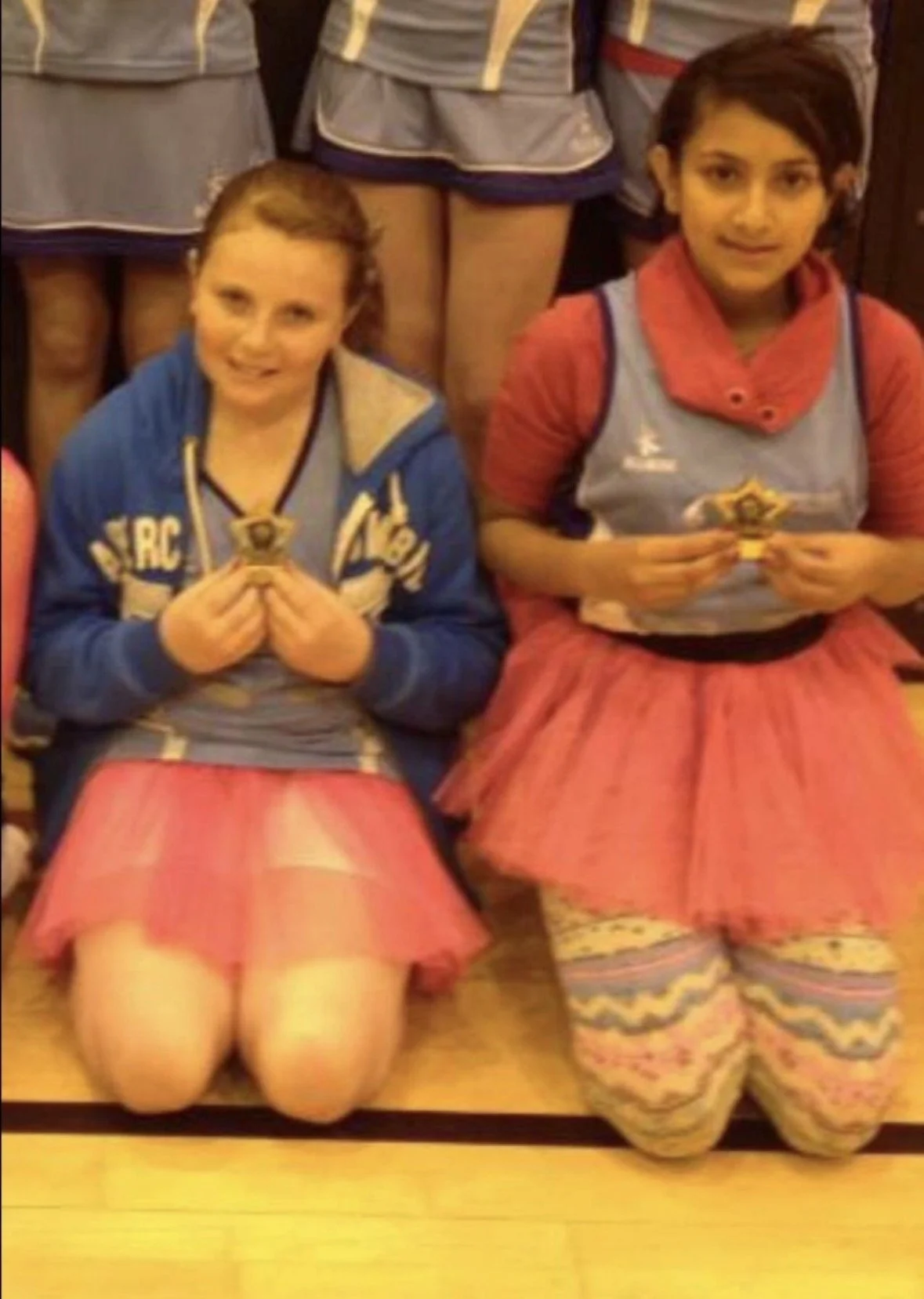
“I think representation is so important. I think people forget that sport is for everybody, like everyone, no matter what you look like, no matter what your background is, no matter what sport you play.”
“Sport is literally everything to me”, she explains. Having been involved in sports since primary school, it has always been an important part of Fathema’s life. The adrenaline, the excitement of winning, and the feeling of having a different home from school all sparked her passion for sports.
Over the years, her passion has only continued to grow, becoming an even bigger part of who she is.
But like all relationships, it didn’t come without challenges. “I had to fight hard growing up to play just because there wasn’t representation there.”
Photo credit: Fathema Khatun
“A lot of old parents liked comparison, unfortunately. So, if there was somebody there, I could have been, oh look, this person looks like this, and they’re doing this.
But there’s nobody there. I just have to do it myself. It’s important to have a role model you can look up to.”
Without this representation growing up, Fathema faced difficulties. “The main factor was the clothing, the barriers of the clothing to wear. In netball, we used to wear dresses. I shouldn’t have been wearing these dresses, but I did to fit in. I wish I had the confidence to tell my coach, actually; I need to wear leggings underneath. Actually, I need to wear the T-shirts underneath.”
“If you don't see someone that looks like you. I believe you're not more likely to stay in comparison to if you do see someone that looks like you.”
After completing her undergraduate degree in Media and Communications at Birmingham City University, Fathema has come back to her Welsh roots to study an MSc in Sport Broadcasting at Cardiff Met University.
Weary of heading into an industry dominated by men and asking herself, “Would I even fit into the industry where I don’t see anyone who wears the hijab or looks anything like me?” But someone has to take the first step.
“When it comes to my ethnicity, I think it’s made me have that drive. I’m not half and half. I’m fully Bangladeshi. I’m fully Welsh. I’m so proud to be both.”
“When people ask me, ' Oh, so are you Bangladeshi?’ I'm like, yeah, but I'm also Welsh. Like, don't forget I'm Welsh. I love the language. I love our culture. I think it's so important that people should know that you can be both. It's not half and half.”
“I think being Bangladeshi and having the struggles of South Asian women that we face has made me think, do you know what? I don't want other girls to go through that because I've seen how hard it is, and I think this is why I want to do something and be a representation for them.”
Within the South Asian community, “people care what other people think is so big.” Fathema coming home late from a training session was greeted with, “Where are they going to think you are?”, or her first netball coach being male welcomed whispers of “What is your uncle going to say?”
Whilst improvements are slowly being made, “We need a space for girls to be girls. Why are we not reaching out for women to step in? I think despite being South Asian and a Muslim, I think women have had it hard in sport, and it's 2026, but there are so many struggles, and still so many stereotypes that have been made, and a lot by men, unfortunately.”
But it’s not just on the pitch and the training ground; these changes need to come. From workspaces, “I think sometimes they [men] don’t give us a chance to show we offer,” to support on the sidelines, “People question you all the time, do you actually like football?”
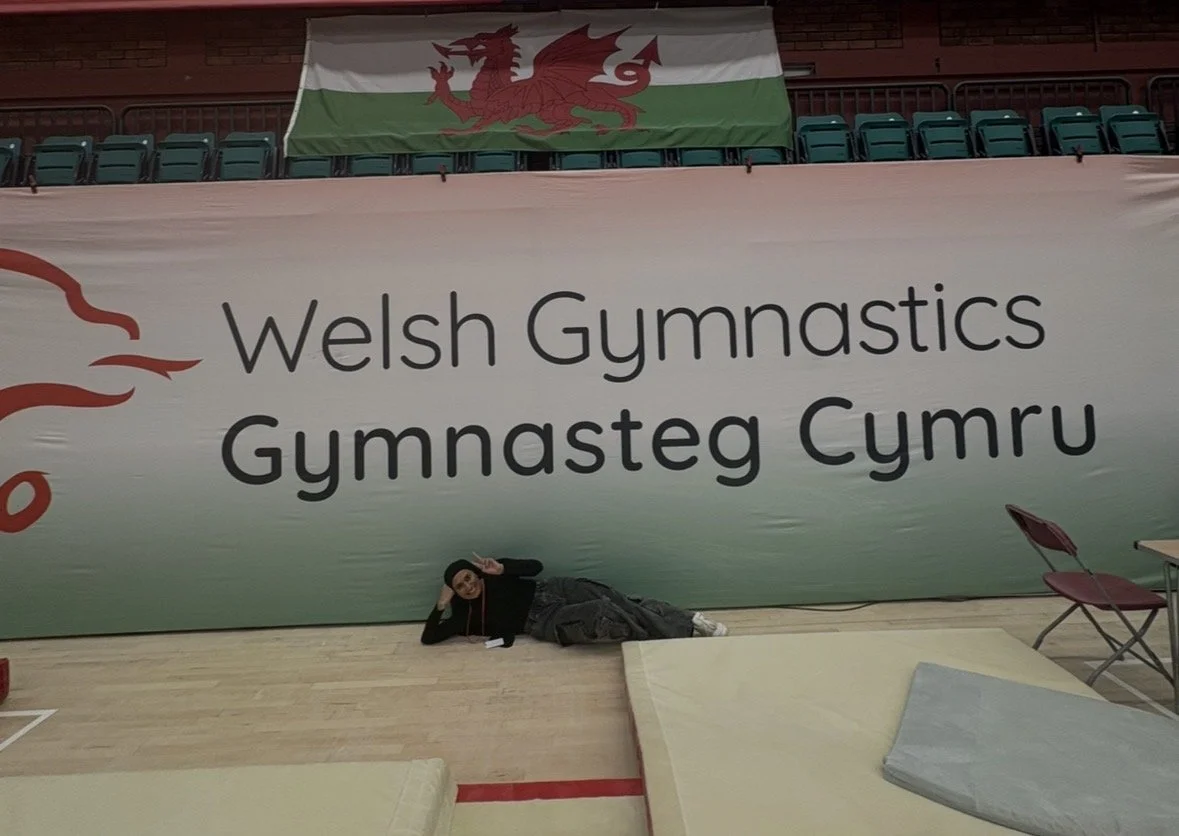
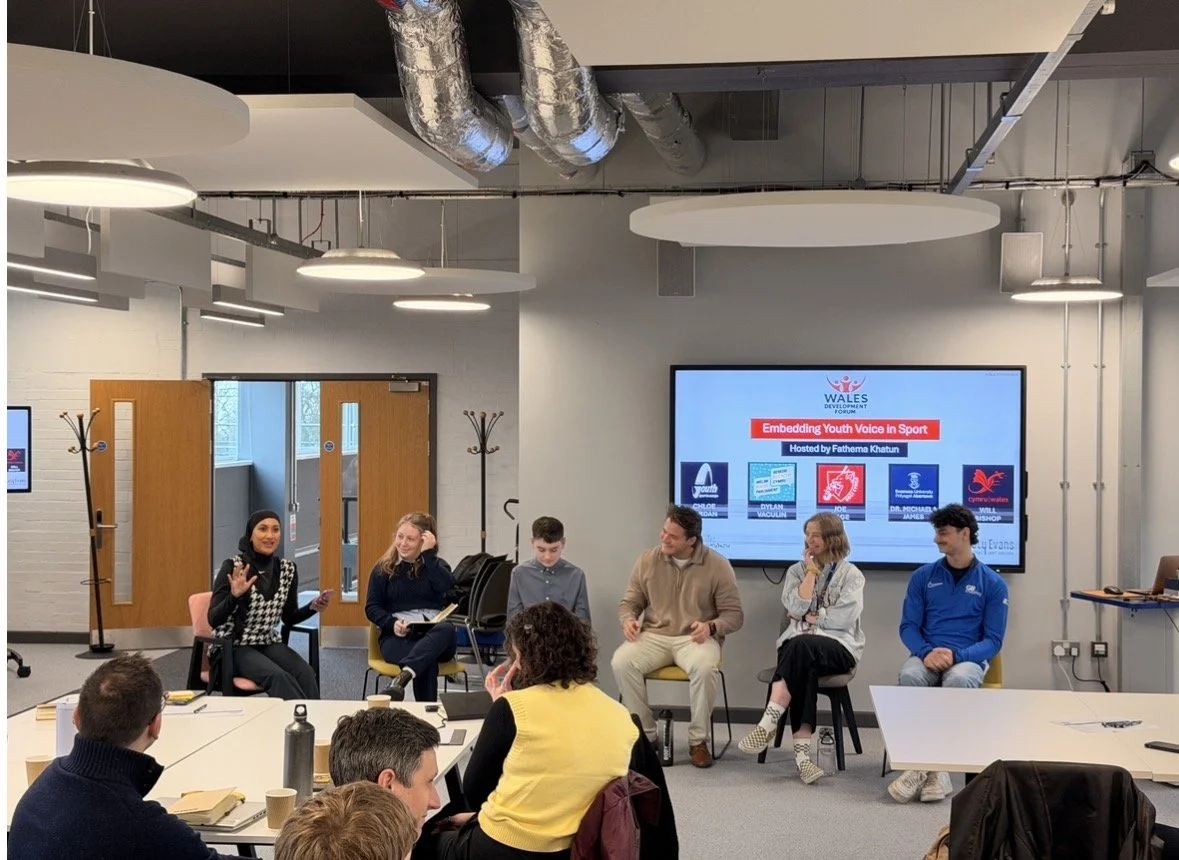
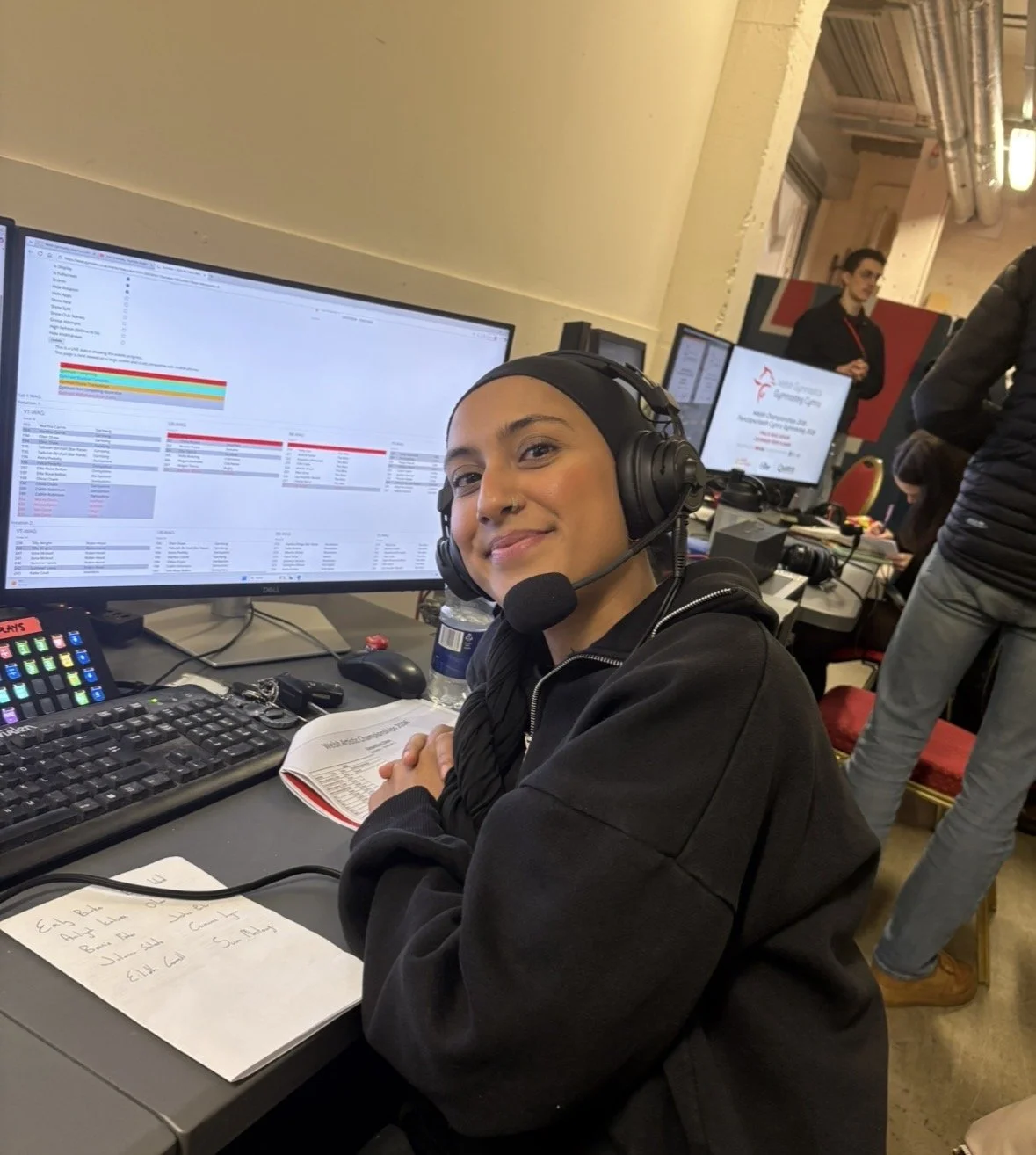
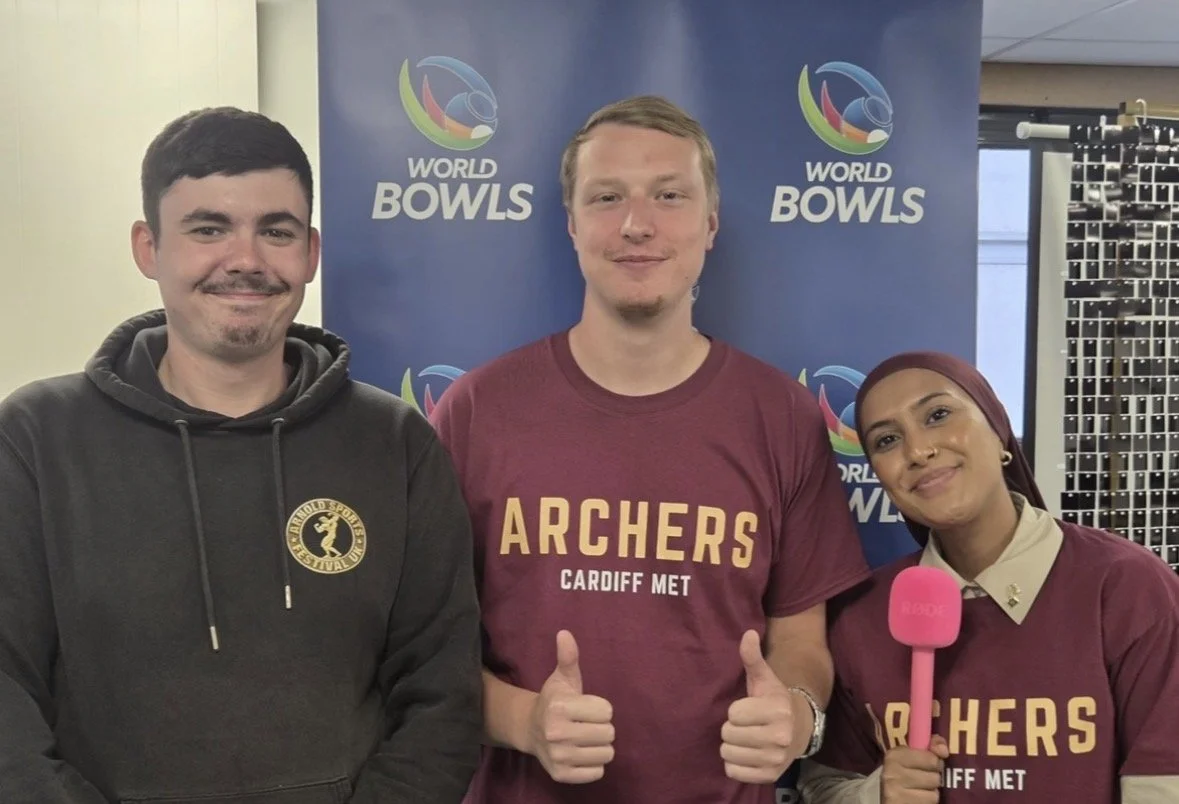
Yet Fathema is taking strides to change these stereotypes. “I think inclusivity and equality are so important.” Fathema is helping to break down these barriers through her podcast, Under My Hijab.
Her podcast highlights Muslim women redefining sport: “I think people always assume we always have the same struggles, and yet we have similarities. It's not always the same. People have different backgrounds. People live in different places. People have a completely different sense of belonging.”
She was joined by Swansea’s Tahira Ali, who led to a change in the dress code rules in powerlifting competitions across the UK. During the podcast, the ladies discussed issues from mental health to periods. “I've never heard a Muslim woman so confidently speak about periods,” commented Fathema in awe. “I want to show that me wearing this [a Hijab] means nothing; I don’t want people to treat me differently.”
“I was on placement with the BBC a few years ago, and I said something, and I stand by it. I don’t ever want to tick a box. I want you to give me a job because I am good at it, not let’s just tick our diversity box because I just think that's unfair.”
“So, this podcast focuses on Muslim women, but also the allies. I want to talk to men, and ask them if they’ve got sisters in sport, or if they’re a coach, how do they go about these different things?”
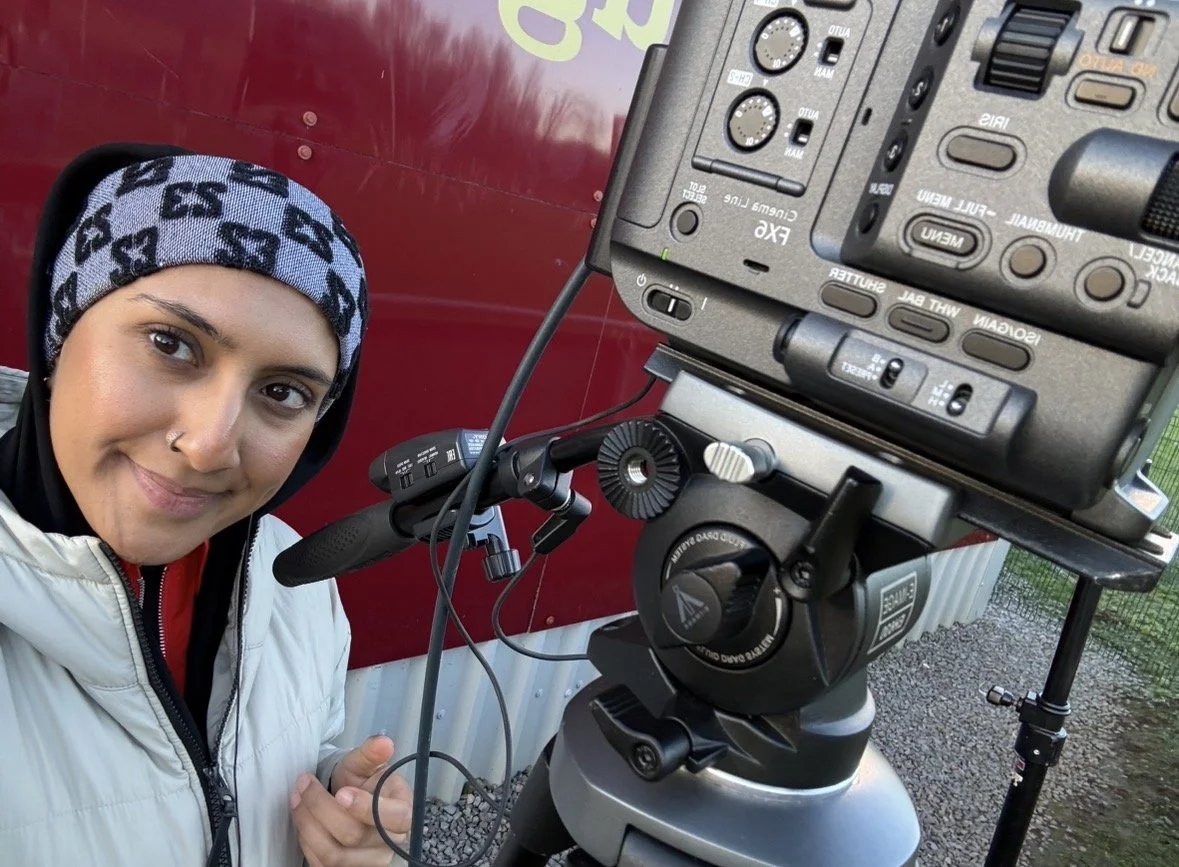
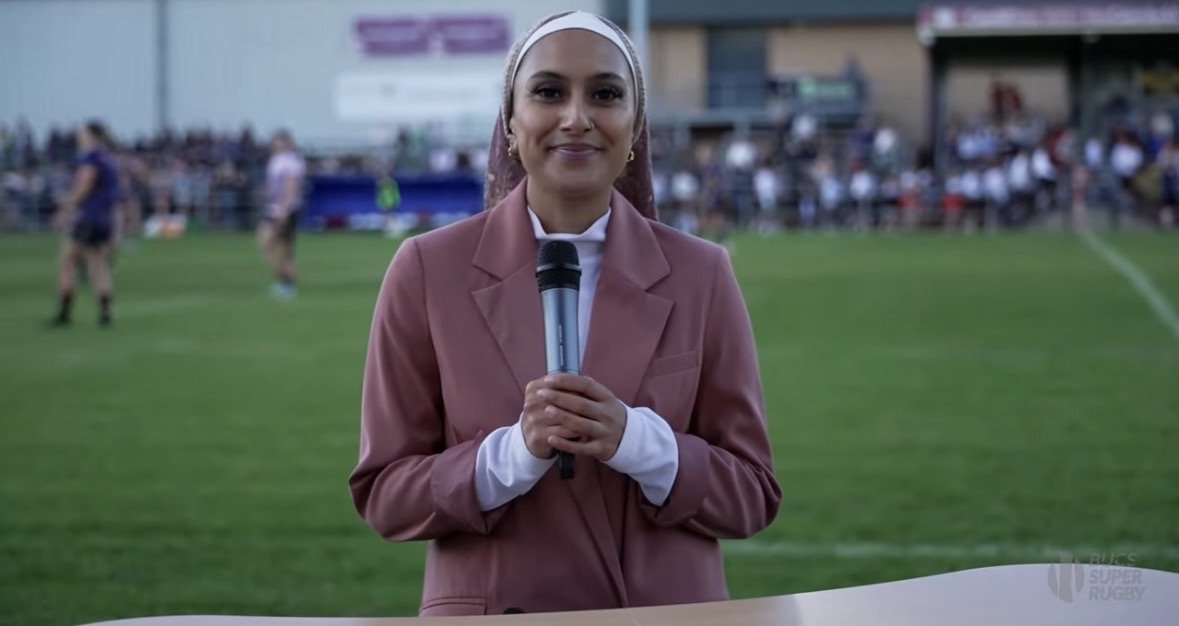
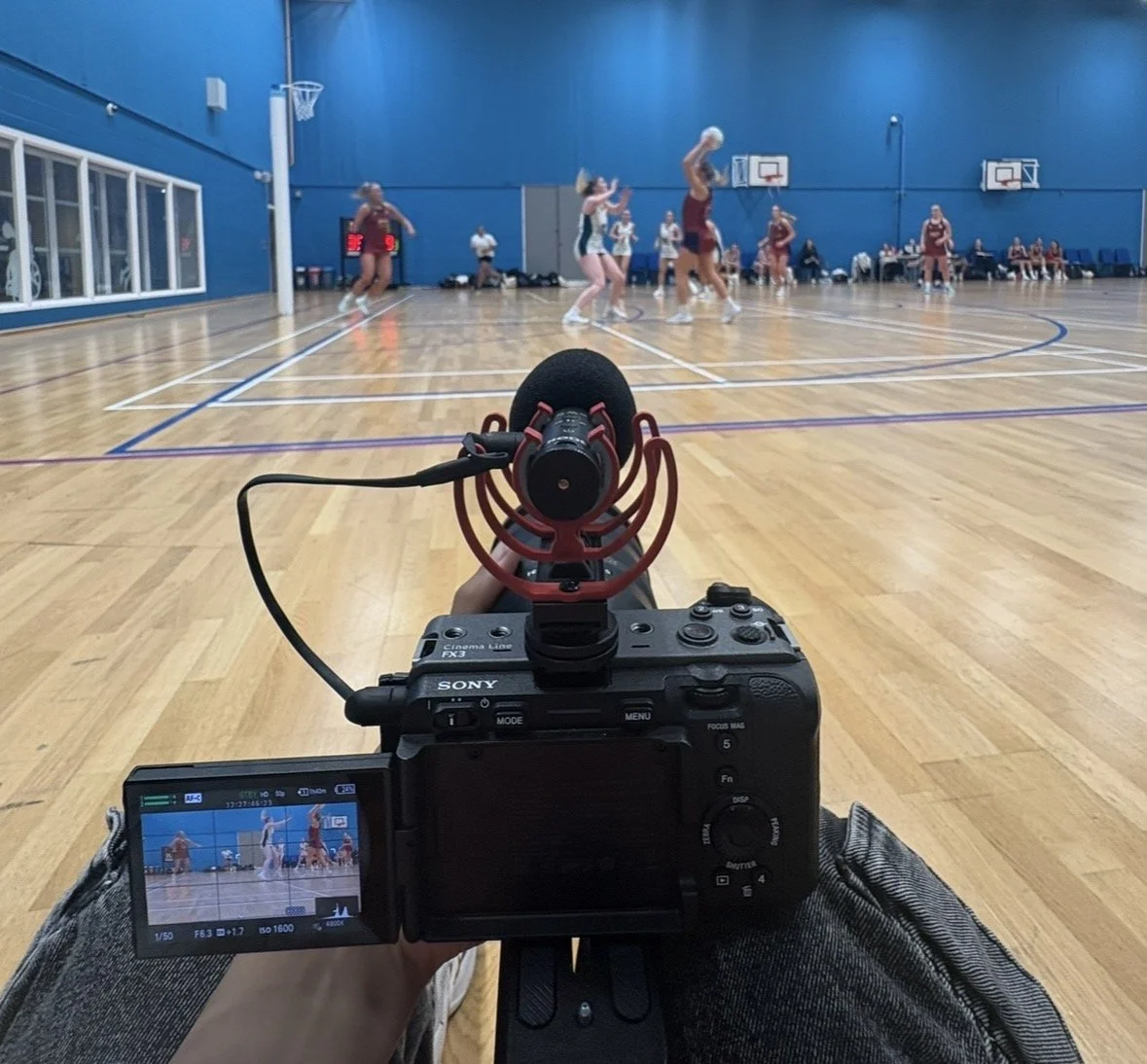
Beyond her studies and podcast, Fathema continues to seek out opportunities to grow, connect with others, and make her voice heard. From attending events to speaking on panels, she embraces every chance to share her experiences and inspire those around her.
“Through these panels, I’ve learnt so much because there are so many people that have come from different sectors.” Each conversation offers a new perspective, but they all lead back to a question that is difficult to ignore: what is causing young girls to walk away from a sport they love?
One of the biggest barriers that emerged from these discussions was finance. Behind every girl who drops out of sport, there may be a family struggling to cover the cost of keeping her involved.
From kit, travel, training, memberships, and everyday expenses, the financial burden is becoming increasingly difficult to manage. Research highlights just how significant this pressure can be: 24% of parents rely on credit cards or loans to fund their children’s sporting participation, while 30% are unable to afford essential sportswear and clothing.
During one event, Fathema met a young lady. “She said to me she played elite-level hockey, and the reason she stopped is that her mum couldn't afford it anymore. And it made me really sad. And I think, wow, like, was there not a leeway? Was there not somebody who could fund you?”
“There are so many factors of girls not wanting to play sport anyway. Why make it more difficult? There's so much talent everywhere.”
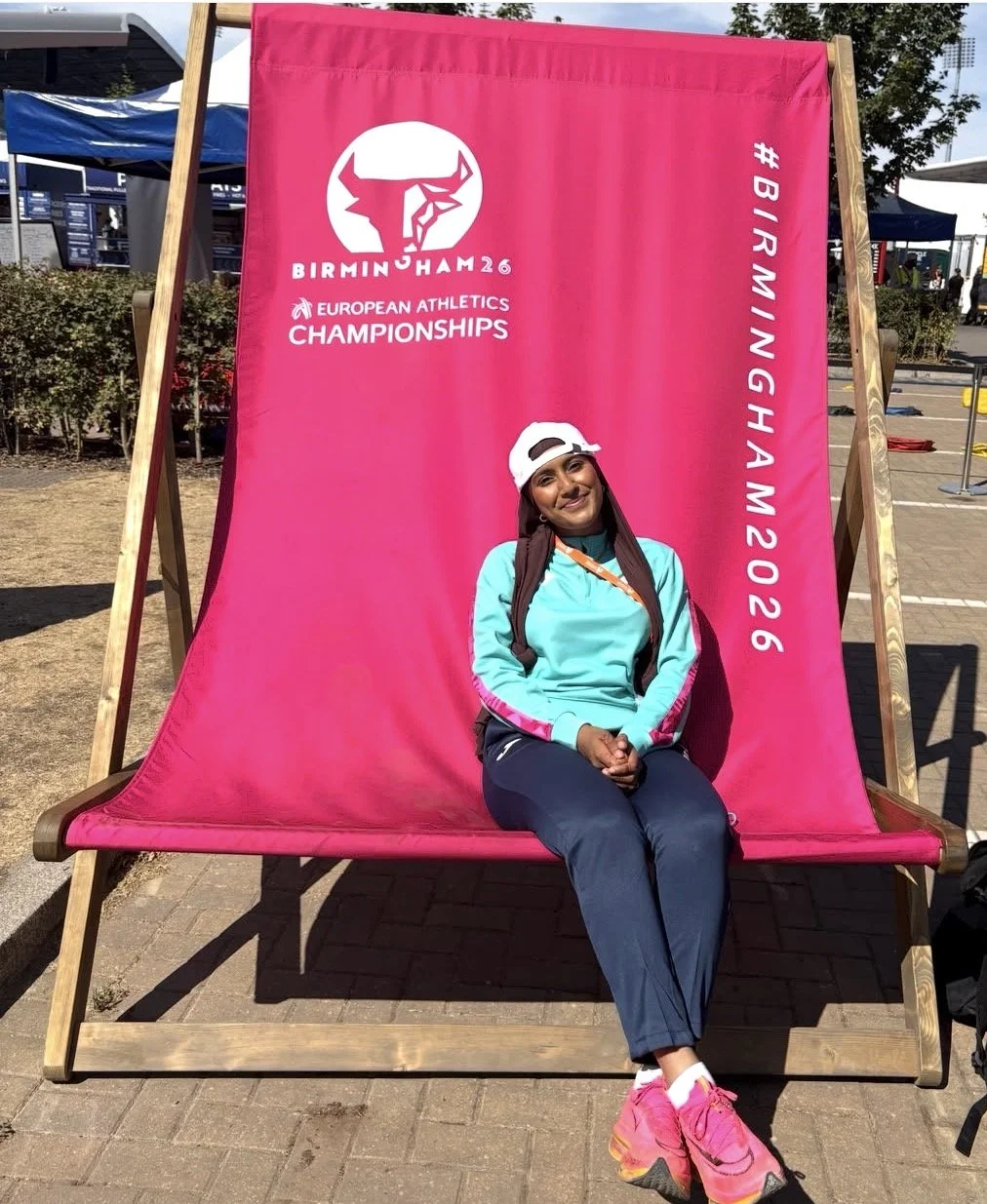
Photo credit: Fathema Khatun
Fathema’s work is driven by a desire to ensure that other young girls have the same opportunity to experience the joy and belonging that sport has given her. “I don’t want to sound like a cliché, but I generally think sport has genuinely saved my life. I have bad days; I go for a run. When I was younger, there was so much stuff going on in the house; I used to look forward to training.”
“Some people read books; some people go for a bath. For me, mine was sports. It’s my escape.”
Fathema is becoming the person she wishes she had growing up: a role model who inspires and shows both young girls and their parents that it is possible.
There is a place for everyone in sport.
“For any South Asian in Wales reading this, don’t let people tell you what you should and shouldn’t do, especially when they don’t look like you. There are times you may feel uncomfortable, but I think that is proof that you’re going somewhere.”